
Addressable fire alarm systems
Every device has its own address, so the panel names the room rather than the zone.
Free survey and a written quote, or call 020 3393 1661. We reply within 24 to 48 hours.
- Addressable systems · BS 5839-1
- BAFE SP203-1 (fire alarms)
- Fike registered
- C-TEC certified
Book your free survey
Step 1 of 3Four questions. Free survey, free written quote, no obligation.
Request received
Thanks, we'll call you within 24 to 48 hours to arrange your free survey.
- Service
- We'll call
What happens next
- An engineer calls you to arrange a time, within 24 to 48 hours.
- We survey the building free of charge and put the price in writing.
- You decide once you have the quote. No obligation either way.
Need us sooner? Call 020 3393 1661Mon to Fri 9am–7pm · Sat 10am–3pm


Why buildings move to addressable
Every device reports its own location, so a fault or an alarm is found in seconds rather than searched for floor by floor.
-
Pinpoint location
Each detector and call point has its own address, so the panel names the exact device rather than a whole zone.
-
Fewer false alarms
Analogue sensing and drift compensation mean the panel can tell dust and steam from smoke before it evacuates a building.
-
Built to grow
Loops take hundreds of devices, so extensions, refits and change of use rarely mean starting again.
-
Certified to BS 5839-1
Designed to the category your fire risk assessment sets, commissioned with full cause and effect, certificate on completion.
What is an addressable fire alarm system?
In an addressable system, every detector, manual call point and sounder sits on a loop and carries a unique address. When a device activates, or develops a fault, the control panel identifies that specific device and its location, rather than just a zone. In a hotel at 3am or a hospital wing, the difference between "Zone 4" and "smoke detector, Room 214" is the difference between a fast, calm response and a full evacuation.
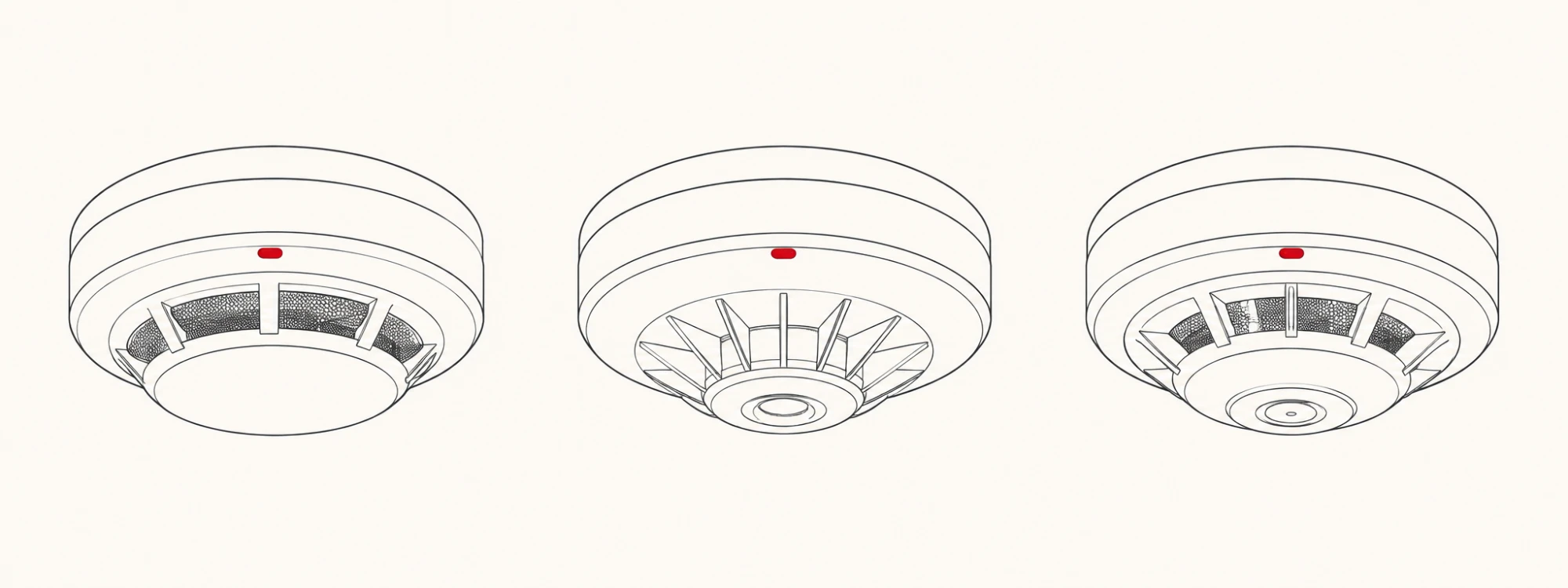
Direct answer: an addressable fire alarm identifies the exact device that triggered, not just the zone, which means faster investigation, fewer false-alarm disruptions and much quicker fault-finding in larger buildings.
Which buildings are addressable systems right for?
We position addressable systems where their precision earns its keep:
- Large commercial & industrial premises, long cable runs and many zones make device-level reporting essential.
- Hotels & high-rise: phased evacuation and night-time response depend on knowing exactly where the alarm started.
- Hospitals & care homes: evacuating residents is a last resort, so staff need precise information immediately.
- Education: campuses with multiple buildings benefit from one panel view of every device.
For small-to-medium premises, a conventional system is often the more sensible spend, we'll tell you honestly which your building needs.
Why choose an addressable system?
- Exact location reporting: the panel names the device, cutting search time during alarms.
- Fewer false-alarm disruptions: investigate one device instead of sweeping a whole zone.
- Faster maintenance: faults are reported per device, so servicing is quicker and more precise.
- Easier to extend: new devices join the loop with minimal new cabling as the building changes.
- Panel choice from approved brands: we are approved installers with Fike and C-TEC.
What does the service include?
Design to the BS 5839-1 category your fire risk assessment requires, free site survey, installation by fully qualified, BAFE-certified technicians, commissioning with full cause-and-effect testing, a fire alarm certificate on completion, and an optional six-monthly maintenance schedule. Already have an addressable system installed by someone else? Our takeover audit is free.
What an addressable system costs
Addressable kit costs more per device than conventional, and the gap widens with size. Set the device count to see where your building lands.
-
A new system designed, installed, commissioned and certificated to BS 5839-1.
devices
What moves a fire safety price, and where the money actually goes
Addressable done properly, and the way it usually goes wrong
Both jobs get called the same thing on the invoice. This is what actually differs.
- Addressing Every device addressed and labelled, so the panel names the room Device level Devices installed, addresses left at factory defaults
- Loop design Loops planned with spare capacity for refits and change of use Room to grow One loop loaded to its limit with no room to grow
- False alarms Sensor settings tuned to the environment on commissioning Fewer callouts Sensitivity left as installed, so the kitchen keeps evacuating the block
- Support Approved for Fike and C-TEC, with the right parts and tools Approved installer No panel software, so faults get silenced rather than fixed
How it works
Four steps, the price agreed in writing before anyone starts, and one accredited team from survey to certificate.
-
01
Free survey
We walk the building, agree the coverage category your risk assessment calls for, and map the loops.
-
02
Written design and quote
You get the device schedule, the panel location and the price in writing, with no obligation.
-
03
Install and commission
Qualified technicians install, address every device and run full cause-and-effect testing.
-
04
Certificate and servicing
The certificate and log book are handed over, then six-monthly servicing keeps it compliant.
Addressable systems, your questions answered
What is an addressable fire alarm system?
An addressable fire alarm system gives every detector, call point and sounder its own unique address on a loop. When a device activates, the control panel shows exactly which device triggered and where it is, not just a zone. That precision speeds up investigation, cuts false-alarm disruption and makes fault-finding far quicker in larger buildings.
Addressable vs conventional, which do I need?
Addressable systems suit larger or more complex buildings, large commercial and industrial premises, hotels and high-rise, hospitals and care homes, and education campuses, where knowing the exact device matters. Conventional systems, which report by zone, remain a sound, cost-effective choice for small-to-medium businesses. Your fire risk assessment and building layout decide; our free survey gives you a straight recommendation.
Can an addressable system be extended later?
Yes, that is one of its strengths. Devices are added to the loop and given a new address, so extensions and refits generally need far less new cabling than a conventional system. If your building is likely to grow or change use, addressable is usually the better long-term investment.
Do you maintain addressable systems installed by another company?
Yes. We take over addressable systems installed by others, including Fike and C-TEC panels, which we are approved installers for, and the initial takeover audit is free. See our fire alarm takeover service for how it works.
Services that go with an addressable system
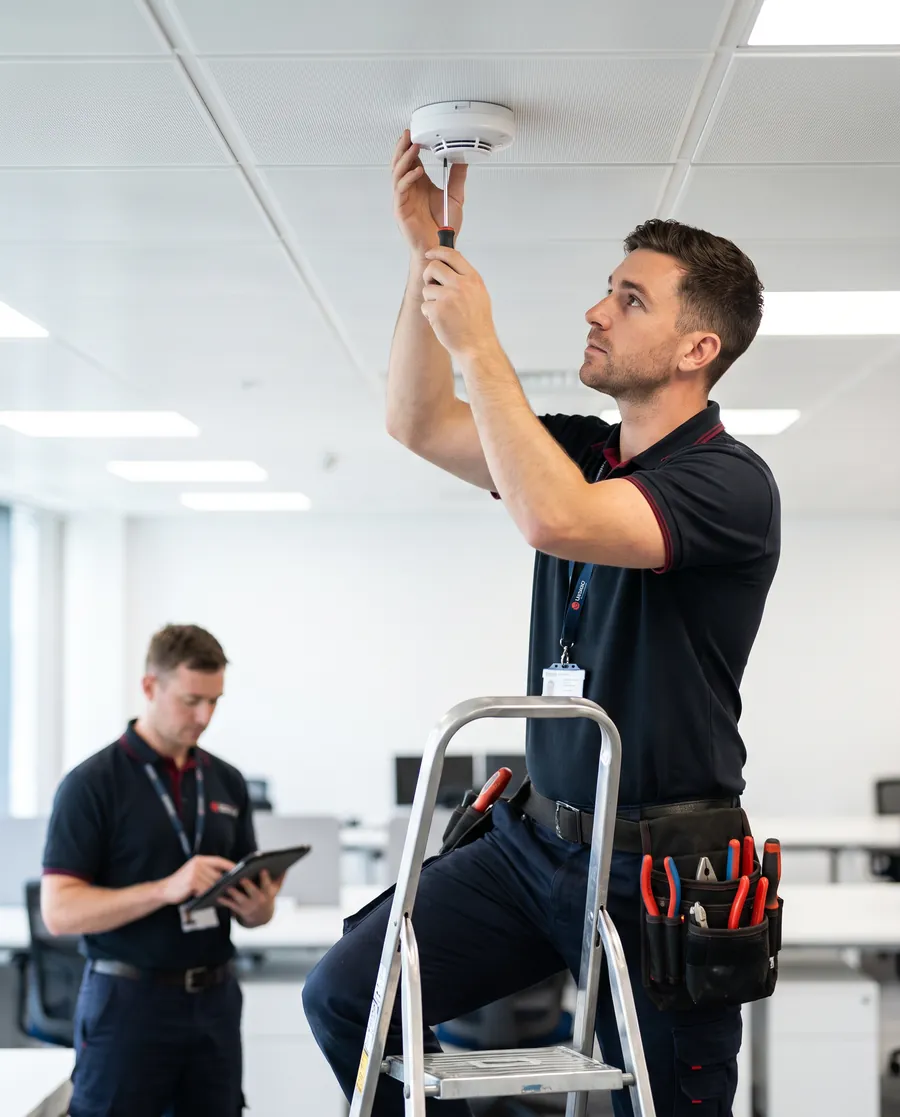
Fire alarm installation
Addressable and conventional systems designed, installed and commissioned to BS 5839-1, with certification on completion.
Fire alarm installation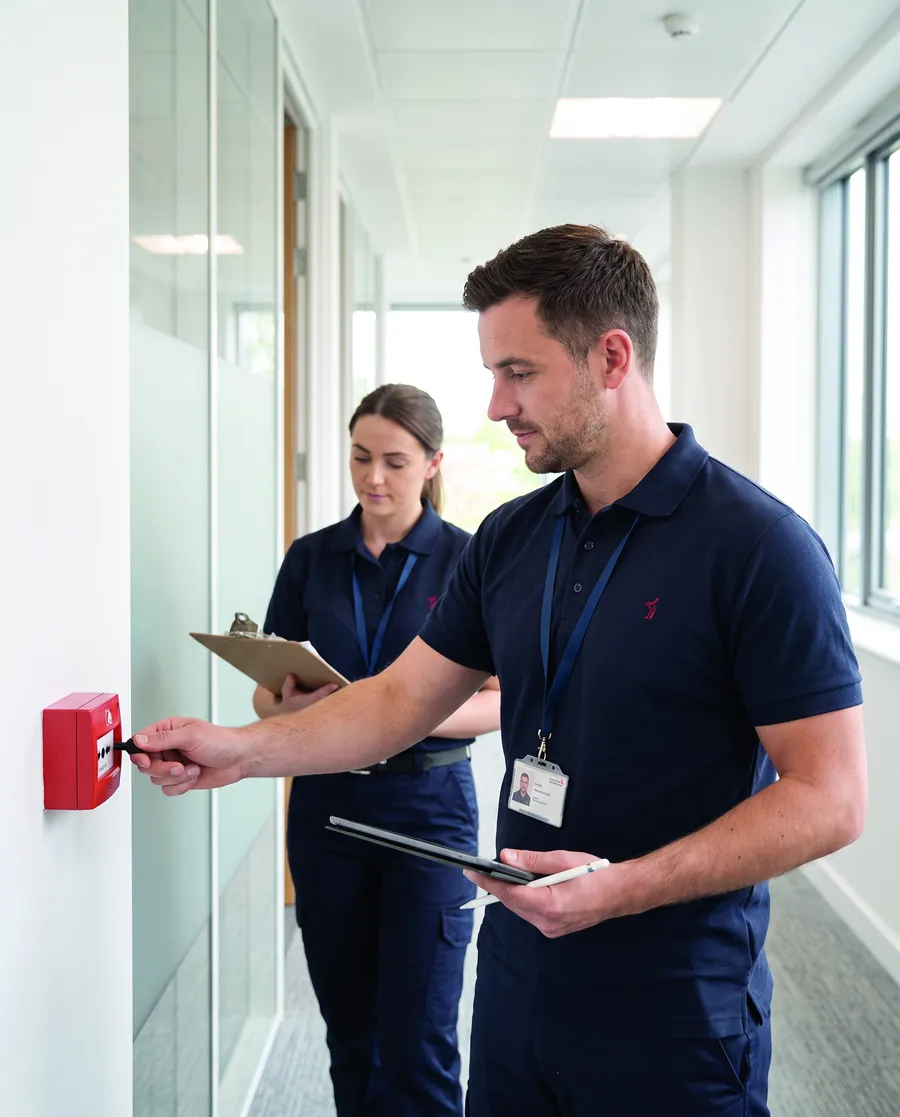
Maintenance & servicing
Six-monthly inspection by BAFE-certified technicians, with a certificate after every visit.
Maintenance & servicing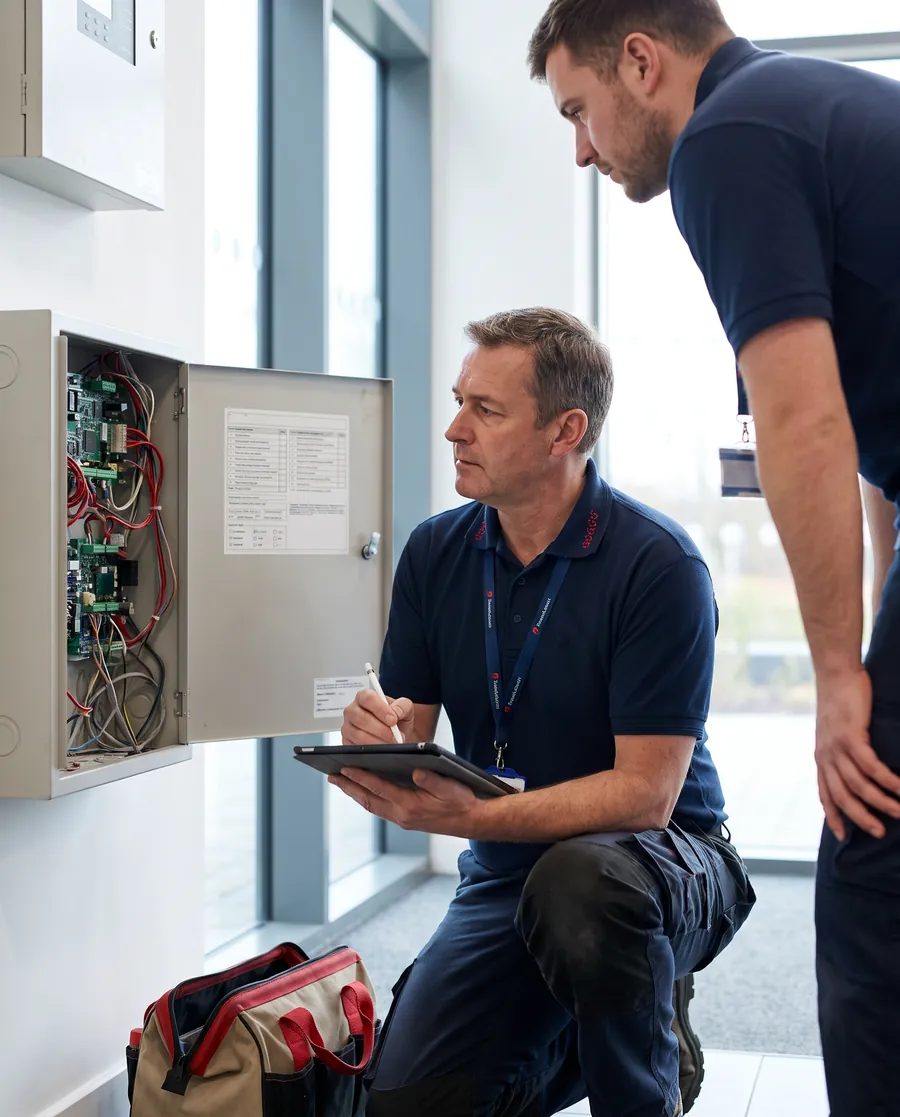
System takeover
Switch provider with no gap in cover. We audit your existing system free of charge before you commit.
Free takeover auditWhere this comes from
- BS 5839-1, fire detection and alarm systems in non-domestic premisesBSI
- BAFE, the third-party certification body for scheme SP203-1bafe.org.uk
We name the standard rather than quoting it. British Standards are copyright of BSI and have to be bought from them; the links above are to the publisher so you can check any figure on this page against the source.
Free survey · No obligation
Is addressable right for your building?
Book a free survey and get a straight answer, plus a written, no-obligation quote for the right system category.
- BAFE SP203-1 registered for fire alarms, Fike and C-TEC certified
- Written quote before any work starts
- Called back within 24 to 48 hours