
Conventional fire alarm systems
Zone-based protection for small and medium buildings, fully compliant to BS 5839-1.
Free survey and a written quote, or call 020 3393 1661. We reply within 24 to 48 hours.
- Conventional systems · BS 5839-1
- BAFE SP203-1 (fire alarms)
- Fike registered
- C-TEC certified
Book your free survey
Step 1 of 3Four questions. Free survey, free written quote, no obligation.
Request received
Thanks, we'll call you within 24 to 48 hours to arrange your free survey.
- Service
- We'll call
What happens next
- An engineer calls you to arrange a time, within 24 to 48 hours.
- We survey the building free of charge and put the price in writing.
- You decide once you have the quote. No obligation either way.
Need us sooner? Call 020 3393 1661Mon to Fri 9am–7pm · Sat 10am–3pm



Where a conventional system is the right call
For smaller buildings a zoned system does everything the law asks for, at a price that reflects the size of the risk.
-
Cost-effective
Simple zone wiring and lower-cost devices make it the sensible choice for small and medium premises.
-
Clear zoning
The building is split into zones so the panel shows which area triggered, which suits compact layouts.
-
Straightforward to service
Fewer moving parts, well understood by any competent engineer, and quick to fault-find.
-
Same standard, same paperwork
Designed and installed to BS 5839-1, commissioned and certificated exactly as an addressable system is.
What is a conventional fire alarm system?
A conventional system wires detectors and manual call points into zones: typically one per floor or area. When a device activates, the control panel indicates the zone, and staff investigate that part of the building. There's no per-device addressing and no complex programming: a straightforward, proven design that has protected small and medium buildings for decades.
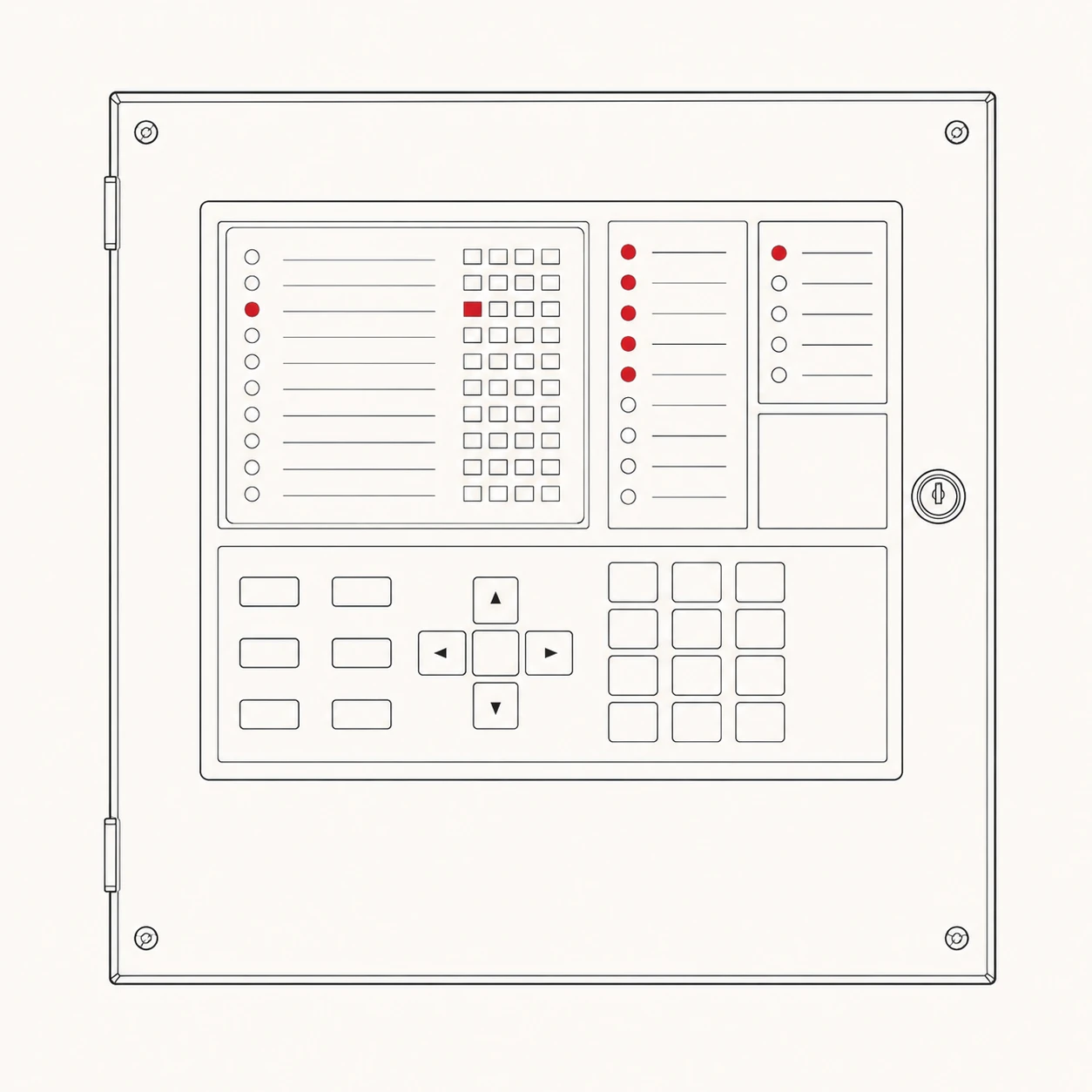
Direct answer: a conventional fire alarm reports alarms by zone rather than by individual device. For a building small enough that "Zone 2, first floor" pinpoints the problem, it delivers full BS 5839-1 compliance at a lower installation cost than addressable.
Which buildings are conventional systems right for?
- Small-to-medium businesses: offices and workshops where a zone maps neatly to a floor or room group.
- Residential buildings: common areas of smaller blocks and HMOs (residential design falls under BS 5839-6).
- Schools & public buildings: simple operation that any staff member can understand at the panel.
- Retail & restaurants: dependable protection without paying for precision the floorplan doesn’t need.
If your building is larger or more complex, a hotel, care home, or multi-building site, read our addressable systems page; that's usually the better fit.
Why choose a conventional system?
- Lower installation cost: simpler panels and devices keep the budget down for smaller premises.
- Simple to operate: zone lights on the panel; no menus or training burden for staff.
- Proven and dependable: a mature technology with readily available parts.
- Fully compliant: designed to the BS 5839-1 category your fire risk assessment requires, with a certificate on completion.
What does the service include?
Free site survey and written quote, zone design to BS 5839-1 (or BS 5839-6 for residential), installation by fully qualified, BAFE-certified technicians, commissioning and certification, plus optional six-monthly maintenance so the certificate never lapses. Already have a system that another company installed? The takeover audit is free.
What a conventional system costs
Conventional is the cheaper starting point on a small, simple building. Put in the device count and compare it against addressable before you decide.
-
A new system designed, installed, commissioned and certificated to BS 5839-1.
devices
What moves a fire safety price, and where the money actually goes
A conventional system is not a cheap system
Both jobs get called the same thing on the invoice. This is what actually differs.
- Sizing Recommended only where zoning genuinely suits the building Free survey Sold as the cheap option without looking at the risk
- Zoning Zones planned so the panel points to a floor or an area BS 5839-1 Everything on one zone, so the panel says the whole building
- Paperwork Certificate, log book and a written record of the zone plan On completion A verbal sign-off and no log book
- Upgrade path We tell you up front when addressable is the better long-term buy Honest advice Rip out and start again when the building changes
How it works
Four steps, the price agreed in writing before anyone starts, and one accredited team from survey to certificate.
-
01
Free survey
We look at the layout, the risk and the occupancy, then advise honestly which system type fits.
-
02
Written design and quote
Zones, device positions and price, in writing, before you commit to anything.
-
03
Install and commission
Installed by qualified technicians and tested end to end, including sounders and standby power.
-
04
Certificate and servicing
Certificate, log book and a six-monthly service schedule from day one.
Conventional systems, your questions answered
What is a conventional fire alarm system?
A conventional fire alarm system divides a building into zones, with detectors and call points wired per zone. When a device activates, the panel shows which zone triggered, for example "Zone 2: first floor", and staff investigate that area. It is a simple, proven and cost-effective design that remains the right choice for many small-to-medium buildings.
Is a conventional system still acceptable under BS 5839-1?
Yes. BS 5839-1 does not require an addressable system, it requires the system category (L1-L5, M or P) your fire risk assessment calls for. A properly designed, installed and maintained conventional system meets the standard for the categories most smaller buildings need. What matters is design to the correct category, certification, and six-monthly servicing.
When should I choose conventional over addressable?
Choose conventional when the building is small enough that a zone identifies the location well, a shop, restaurant, small office or small residential building. Choose addressable when precision matters across a large or complex site. Conventional systems cost less to install; addressable systems cost less to investigate and extend. Our free survey gives you an honest recommendation.
Can you service or take over my existing conventional system?
Yes. We maintain conventional systems installed by other companies and the initial takeover audit is free. If the system is ageing, the audit tells you honestly whether it is worth maintaining or due for replacement, with no pressure either way.
Services that go with a conventional system
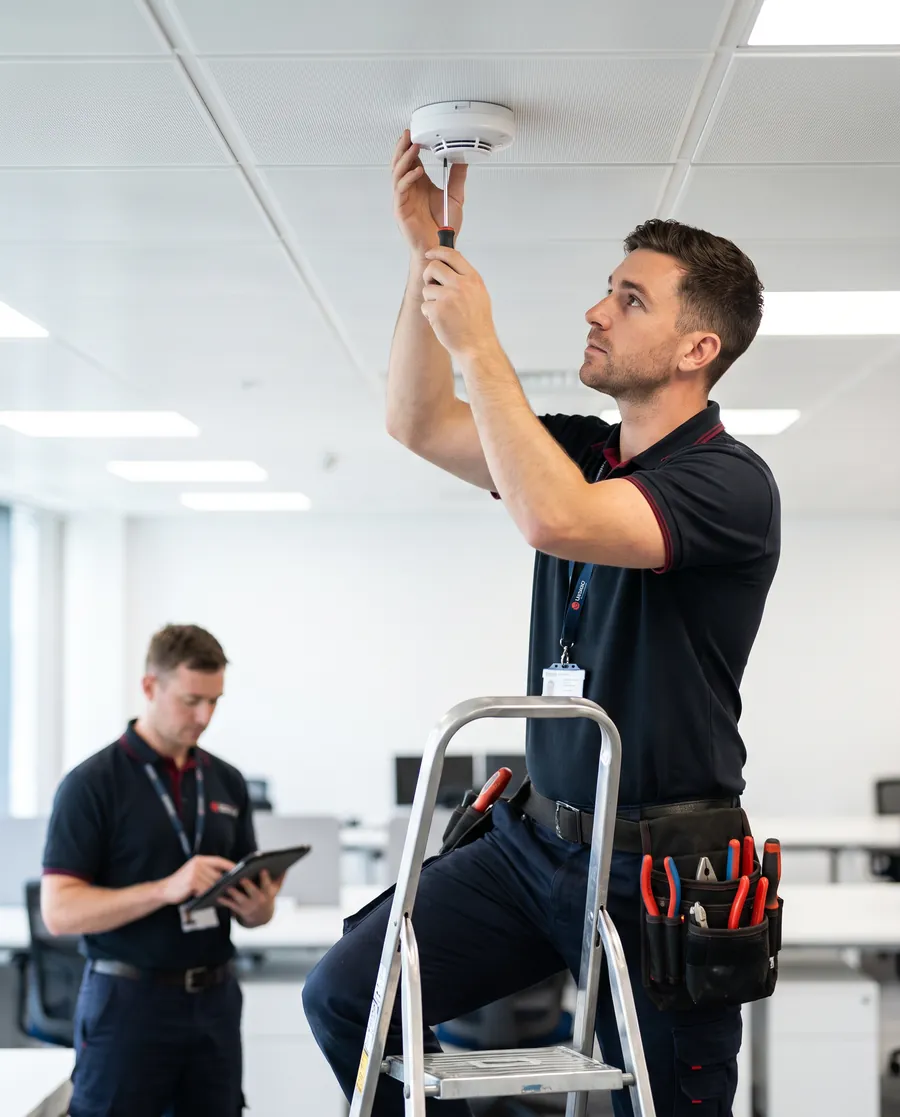
Fire alarm installation
Addressable and conventional systems designed, installed and commissioned to BS 5839-1, with certification on completion.
Fire alarm installation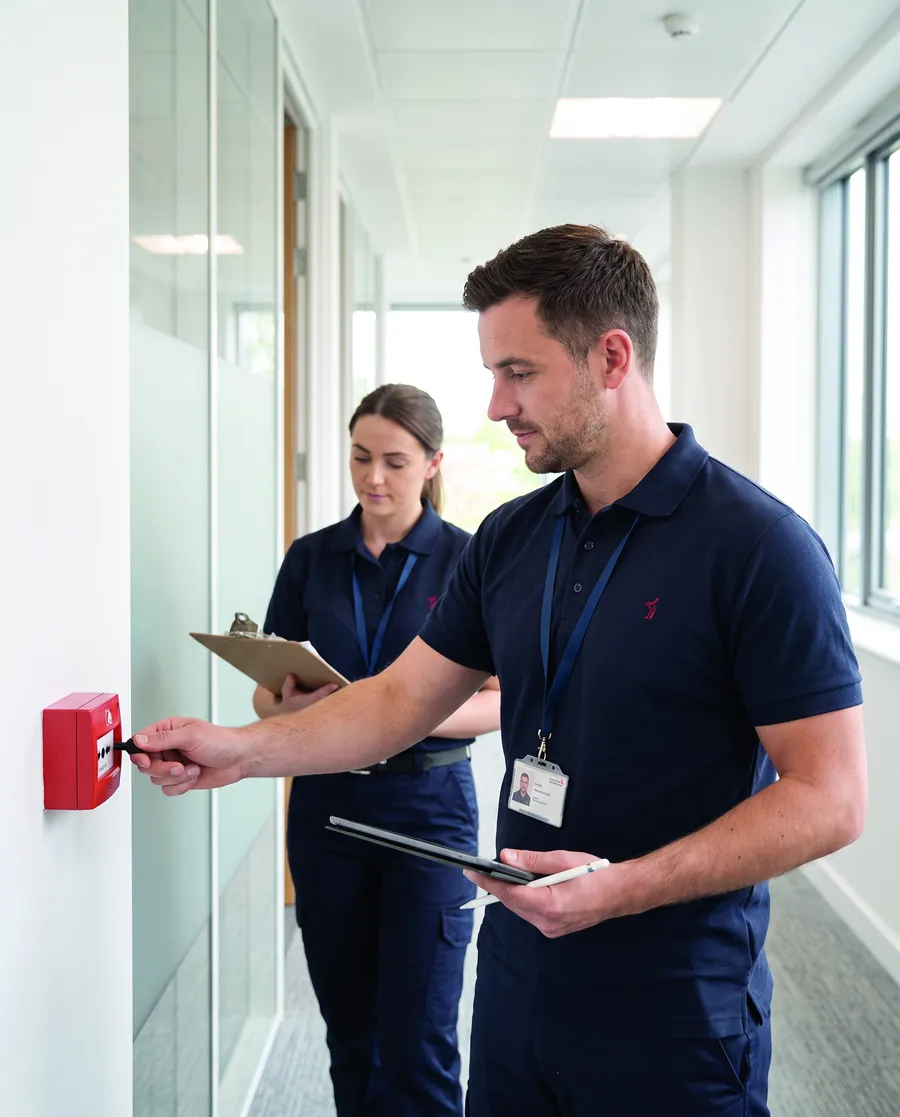
Maintenance & servicing
Six-monthly inspection by BAFE-certified technicians, with a certificate after every visit.
Maintenance & servicingWhere this comes from
- BS 5839-1, fire detection and alarm systems in non-domestic premisesBSI
- BS 5839-6, fire detection and alarm systems in domestic premisesBSI
- BAFE, the third-party certification body for scheme SP203-1bafe.org.uk
We name the standard rather than quoting it. British Standards are copyright of BSI and have to be bought from them; the links above are to the publisher so you can check any figure on this page against the source.
Free survey · No obligation
Get the right system for your building, not the priciest one
Book a free survey and we’ll recommend conventional or addressable honestly, with a written no-obligation quote.
- BAFE SP203-1 registered for fire alarms, Fike and C-TEC certified
- Written quote before any work starts
- Called back within 24 to 48 hours