
Knowledge base
Fire safety guides for London building owners
Eleven guides written by the engineers who do the work, each one turning on a specific standard or regulation, each carrying the date it was last checked against it. Filter by what you are trying to settle.
-
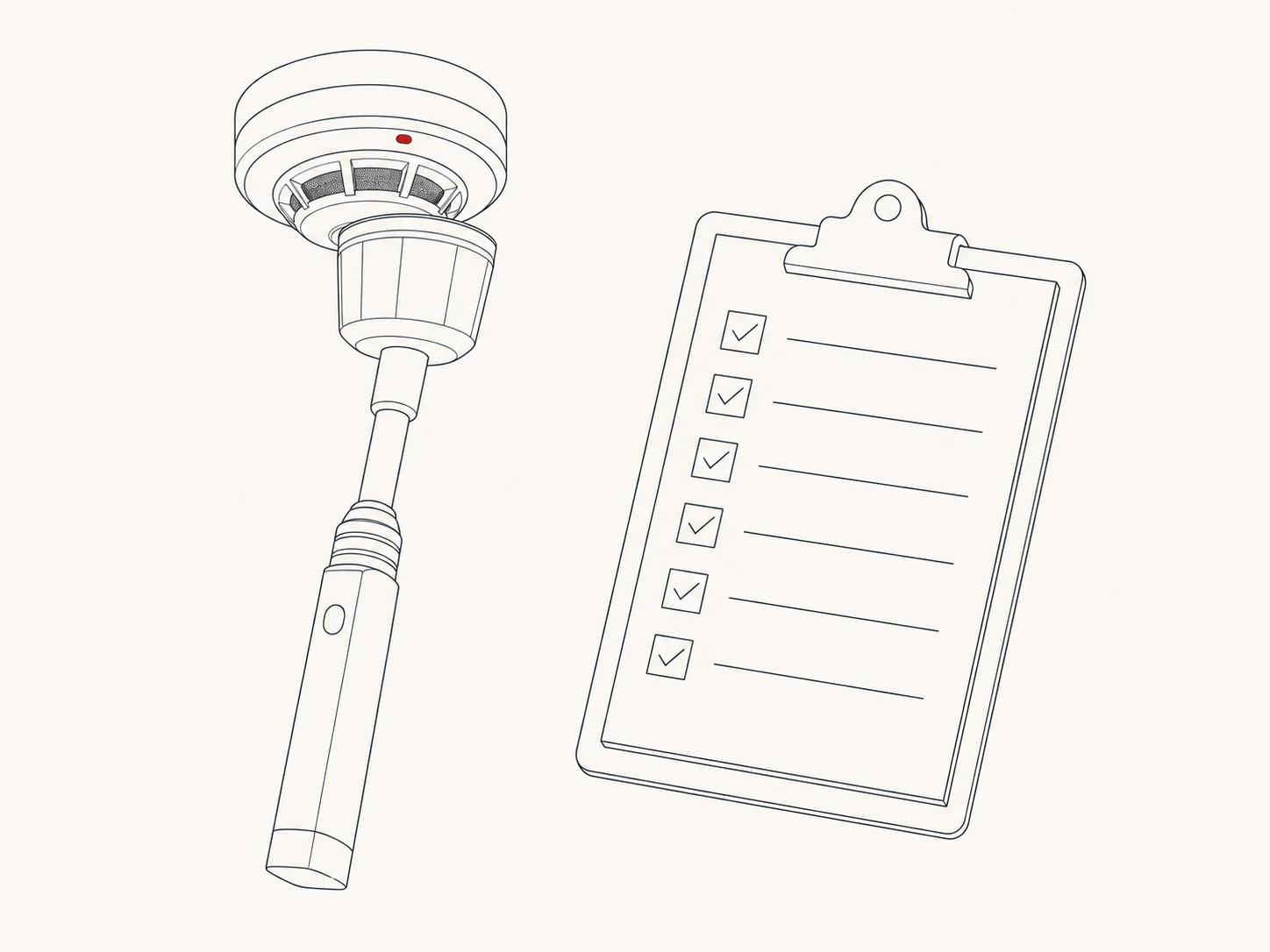 Compliance
How often must a fire alarm be serviced?
Two service visits a year under BS 5839-1, plus a weekly test you carry out yourself. What each visit covers and what an inspector asks to see.
Compliance
How often must a fire alarm be serviced?
Two service visits a year under BS 5839-1, plus a weekly test you carry out yourself. What each visit covers and what an inspector asks to see.
-
 Compliance
Who is the Responsible Person for fire safety?
The Fire Safety Order lands the legal duty on a specific person, defined by control rather than job title. How to tell whether that person is you.
Compliance
Who is the Responsible Person for fire safety?
The Fire Safety Order lands the legal duty on a specific person, defined by control rather than job title. How to tell whether that person is you.
-
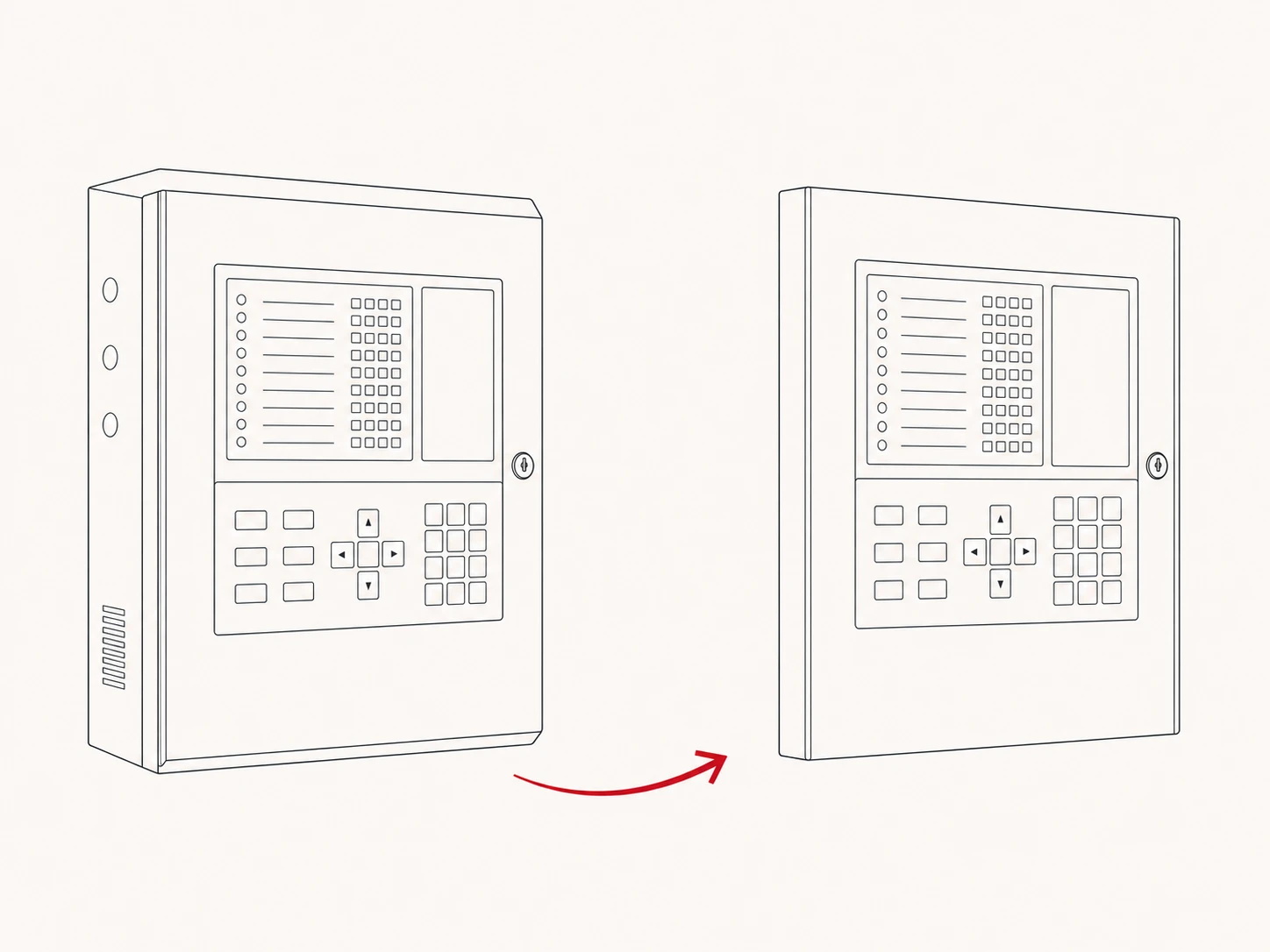 Practical
How to switch fire alarm maintenance provider
You are not tied to whoever installed the system. Notice periods, closed protocol panels, and how to move across without a gap in cover.
Practical
How to switch fire alarm maintenance provider
You are not tied to whoever installed the system. Notice periods, closed protocol panels, and how to move across without a gap in cover.
-
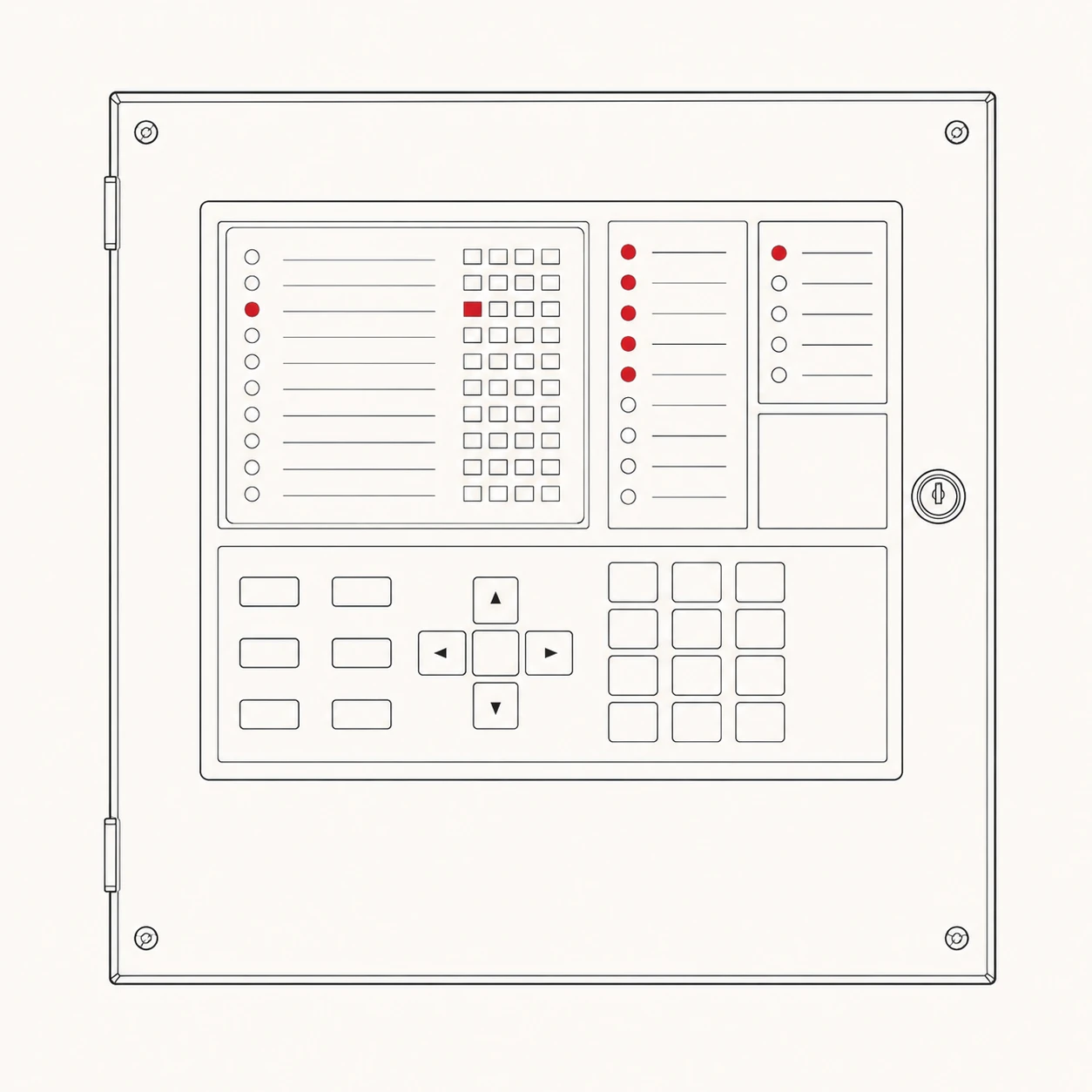 Systems
Addressable vs conventional fire alarm systems
One reports the zone, the other names the device. What that means for cost, false alarms and finding a fire, written for owners rather than engineers.
Systems
Addressable vs conventional fire alarm systems
One reports the zone, the other names the device. What that means for cost, false alarms and finding a fire, written for owners rather than engineers.
-
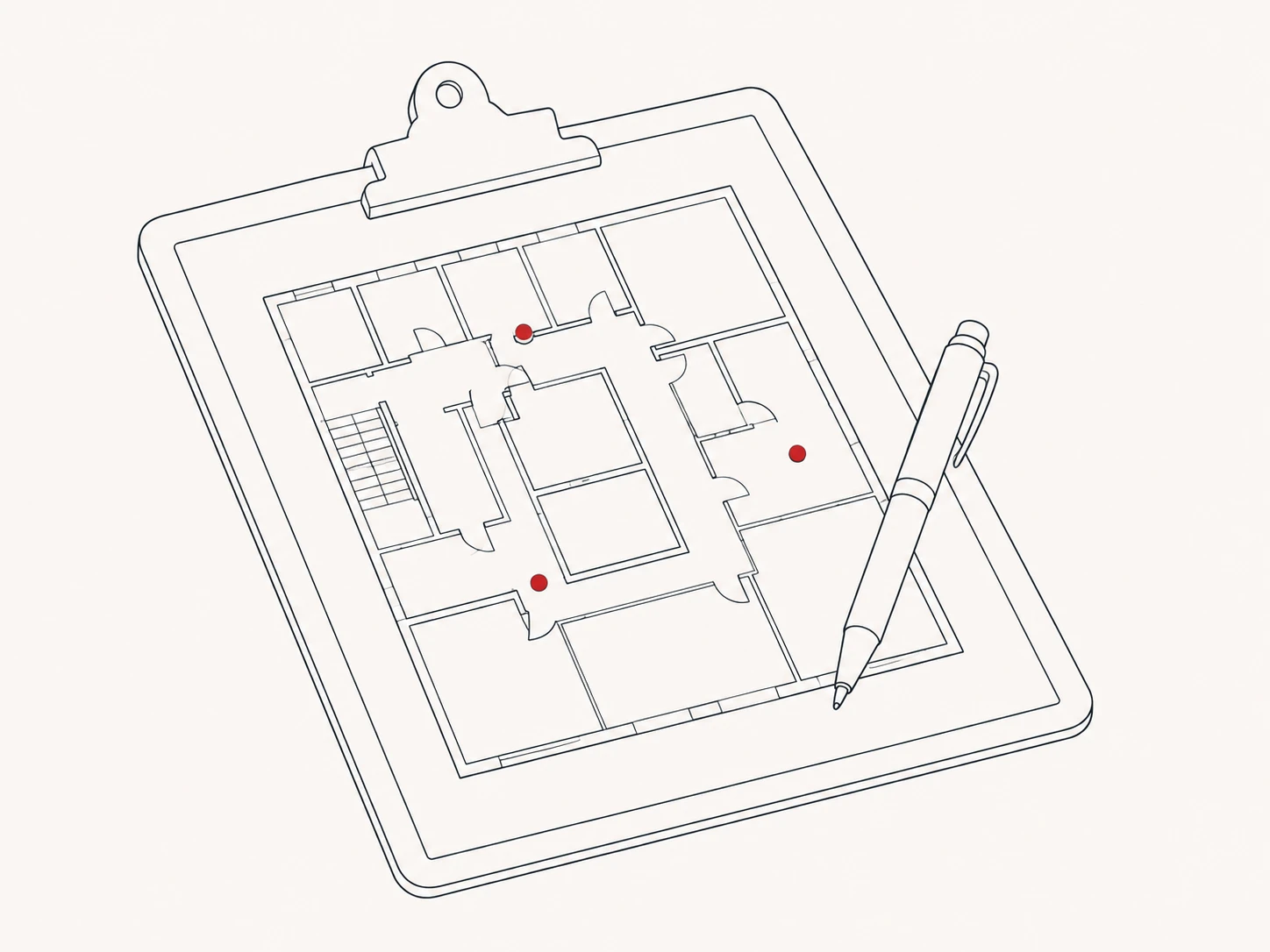 Compliance
Fire risk assessments explained
The document every other fire safety decision rests on. Who legally needs one, what "suitable and sufficient" means, and how often it has to be reviewed.
Compliance
Fire risk assessments explained
The document every other fire safety decision rests on. Who legally needs one, what "suitable and sufficient" means, and how often it has to be reviewed.
-
 Compliance
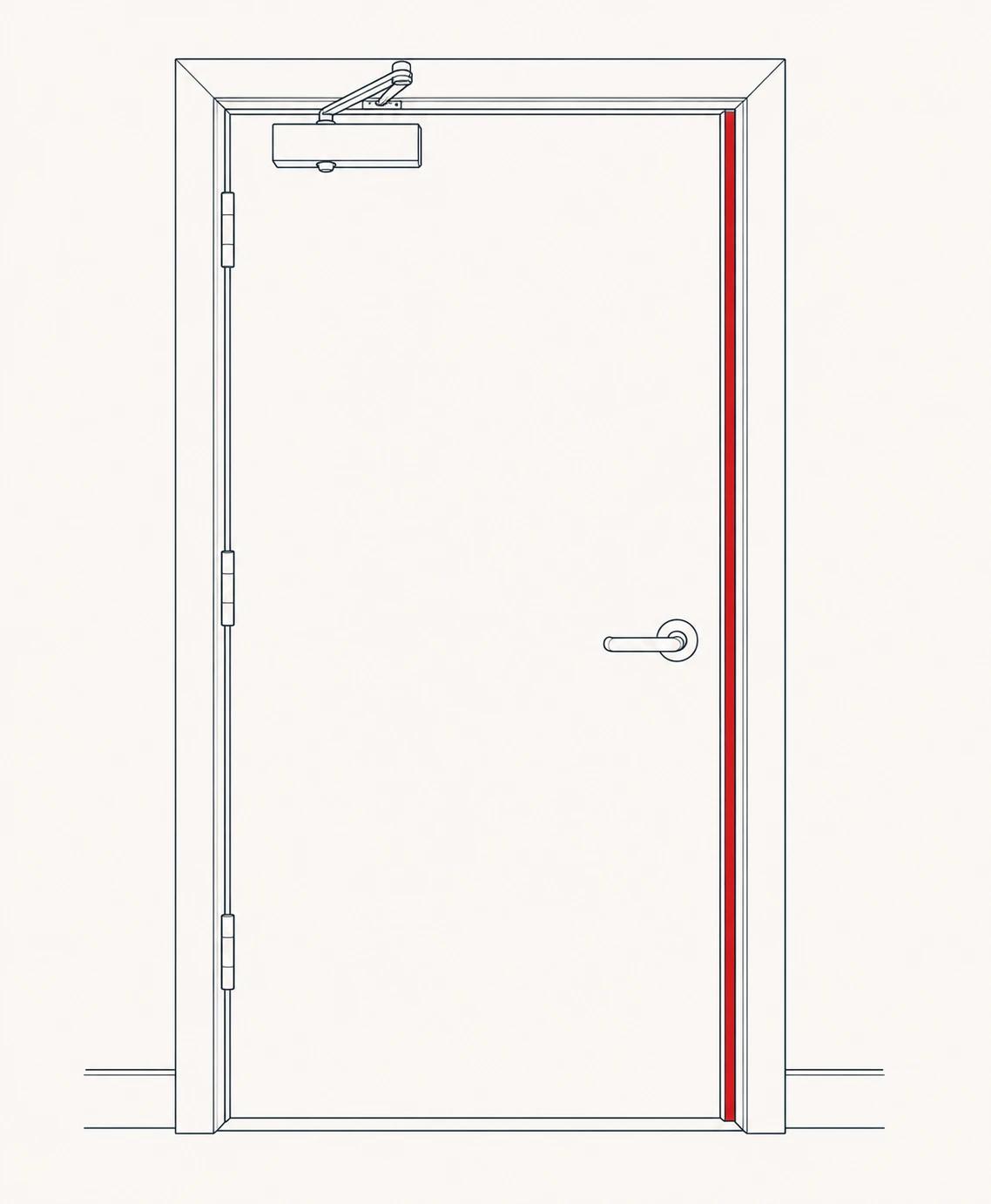
Fire door checks and the 2022 Regulations
Quarterly and annual checks in multi-occupied residential buildings over 11 metres in England, what a check must cover, and the failures found most often.
Compliance
Fire door checks and the 2022 Regulations
Quarterly and annual checks in multi-occupied residential buildings over 11 metres in England, what a check must cover, and the failures found most often.
-
 Practical
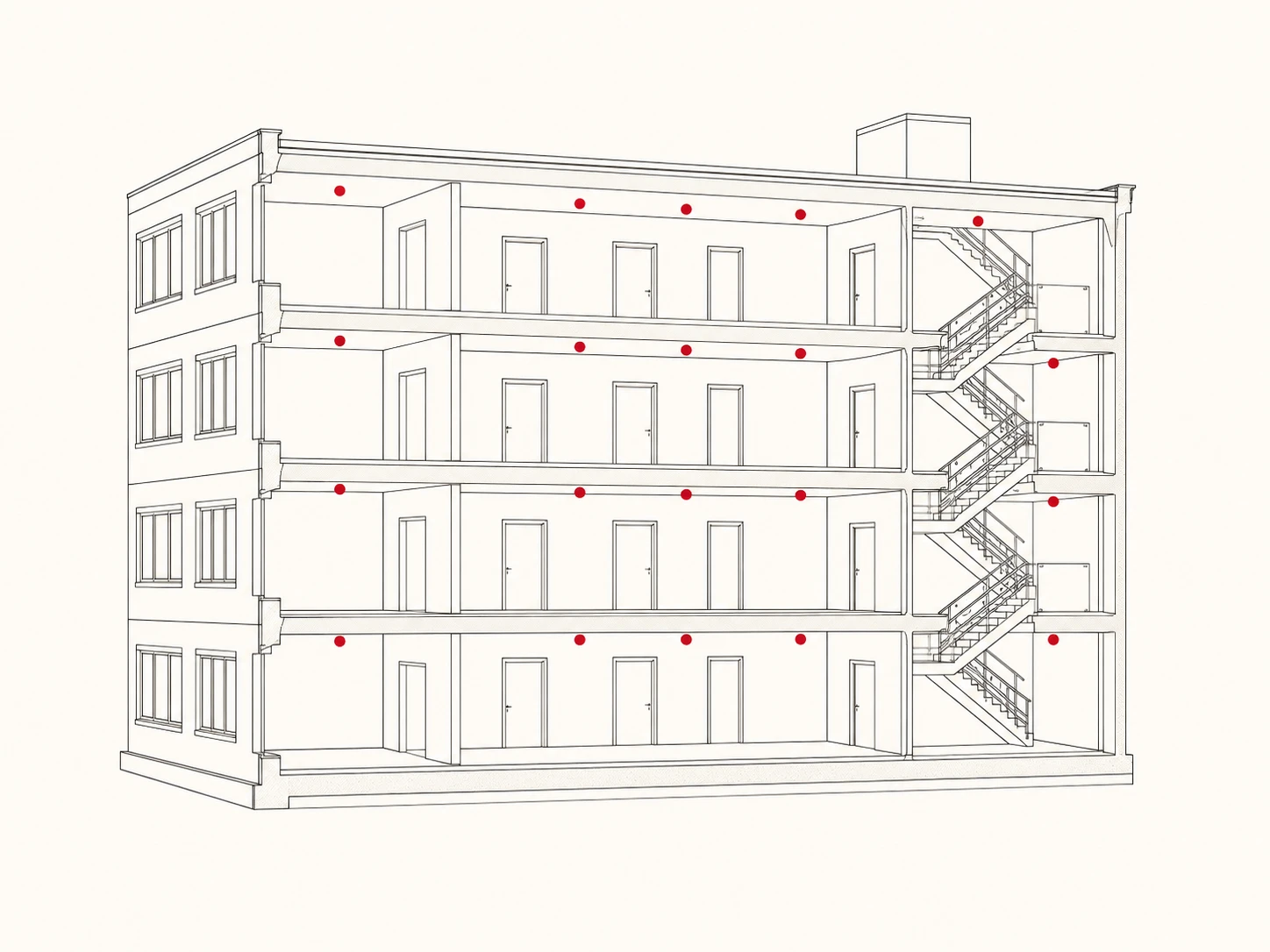
Nine mistakes we find again and again
The ordinary ways a compliant building drifts into a non-compliant one, from open action plans to zones isolated at 3am and never restored.
Practical
Nine mistakes we find again and again
The ordinary ways a compliant building drifts into a non-compliant one, from open action plans to zones isolated at 3am and never restored.
-
 Systems
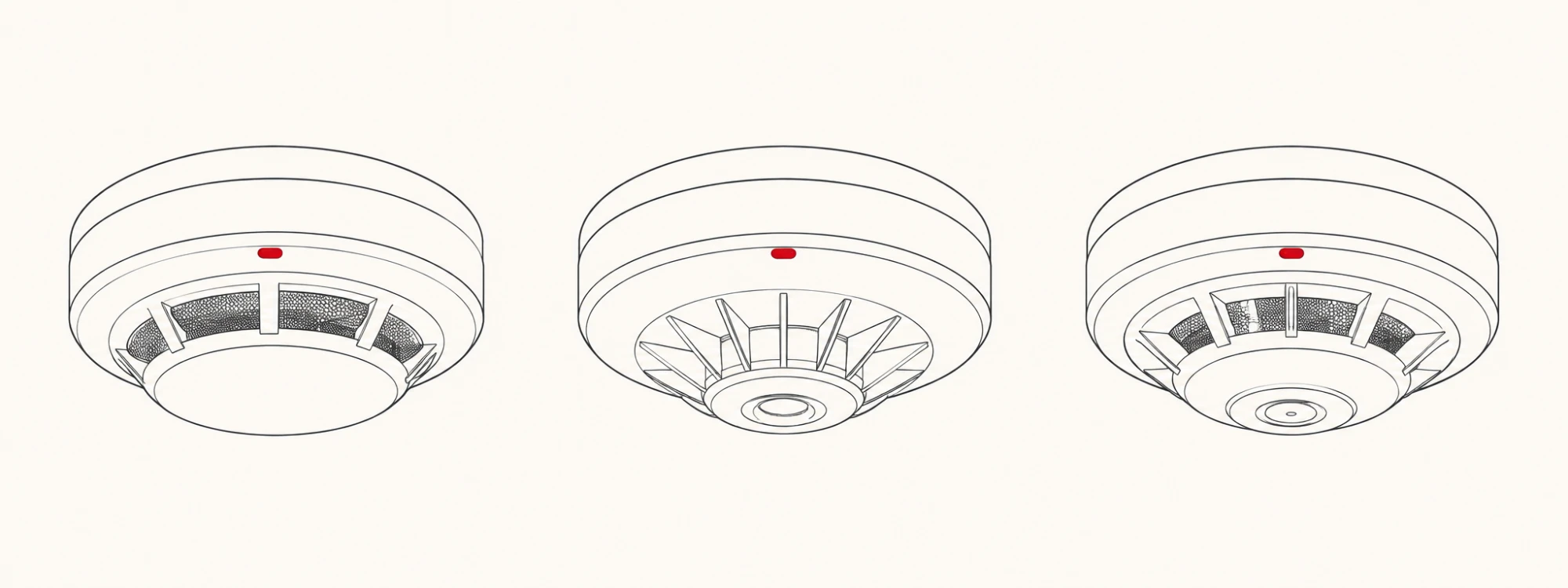
Fire alarm categories: L1 to L5, M, P1 and P2
The letter on your certificate decides how much of the building is watched and why. What each category covers, and who gets to choose it.
Systems
Fire alarm categories: L1 to L5, M, P1 and P2
The letter on your certificate decides how much of the building is watched and why. What each category covers, and who gets to choose it.
-
 Systems
Fire alarm grades for flats and HMOs
Grade A to F2 and categories LD1 to LD3 under BS 5839-6. Why "Grade A LD2" is two separate decisions, and which one your quote answered.
Systems
Fire alarm grades for flats and HMOs
Grade A to F2 and categories LD1 to LD3 under BS 5839-6. Why "Grade A LD2" is two separate decisions, and which one your quote answered.
-
 Compliance
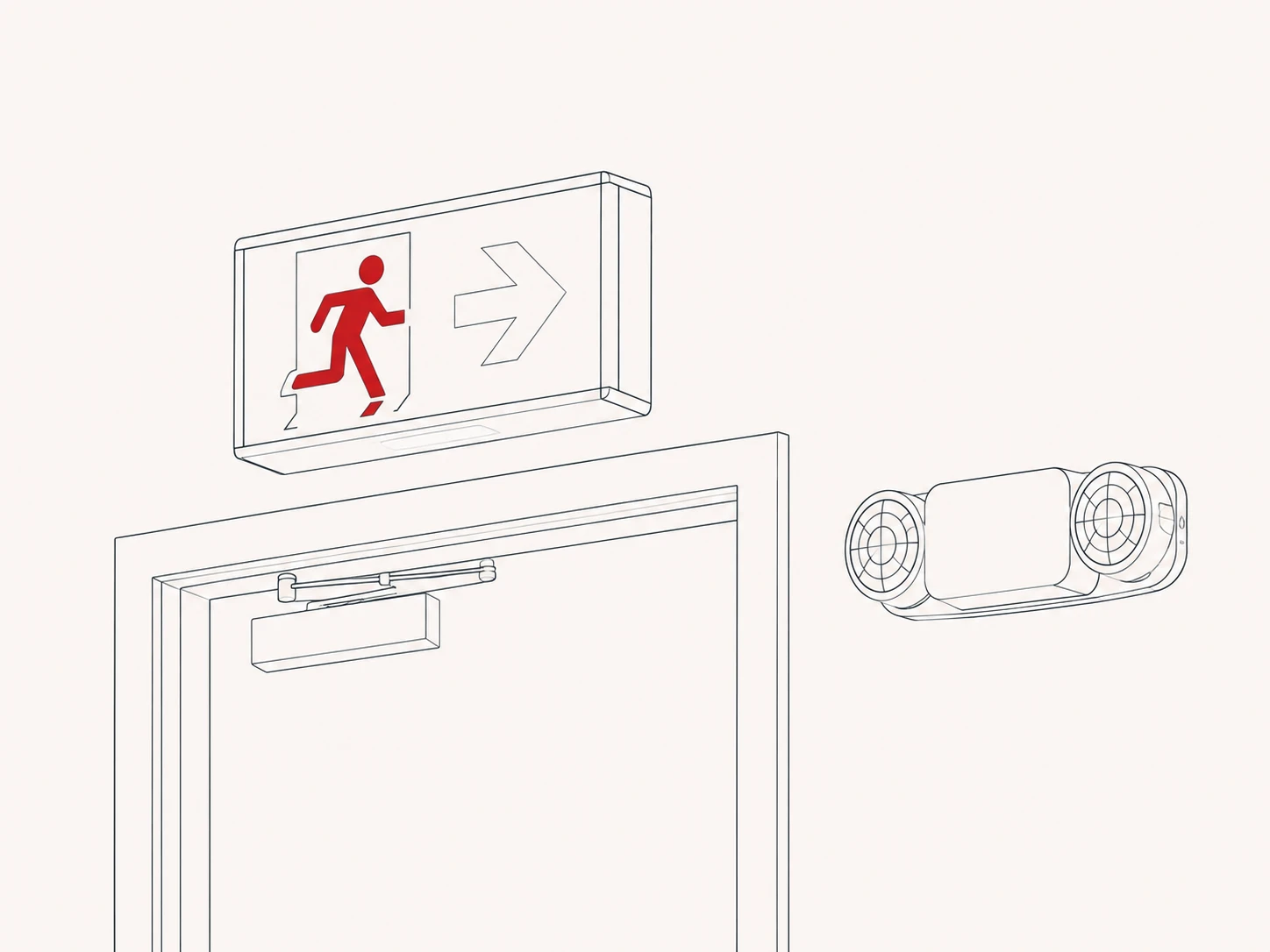
How often must emergency lighting be tested?
Monthly, annually, and the five-yearly photometric check BS 5266-1:2025 introduced in October 2025. Most building owners have not heard of the third one.
Compliance
How often must emergency lighting be tested?
Monthly, annually, and the five-yearly photometric check BS 5266-1:2025 introduced in October 2025. Most building owners have not heard of the third one.
-
 Compliance
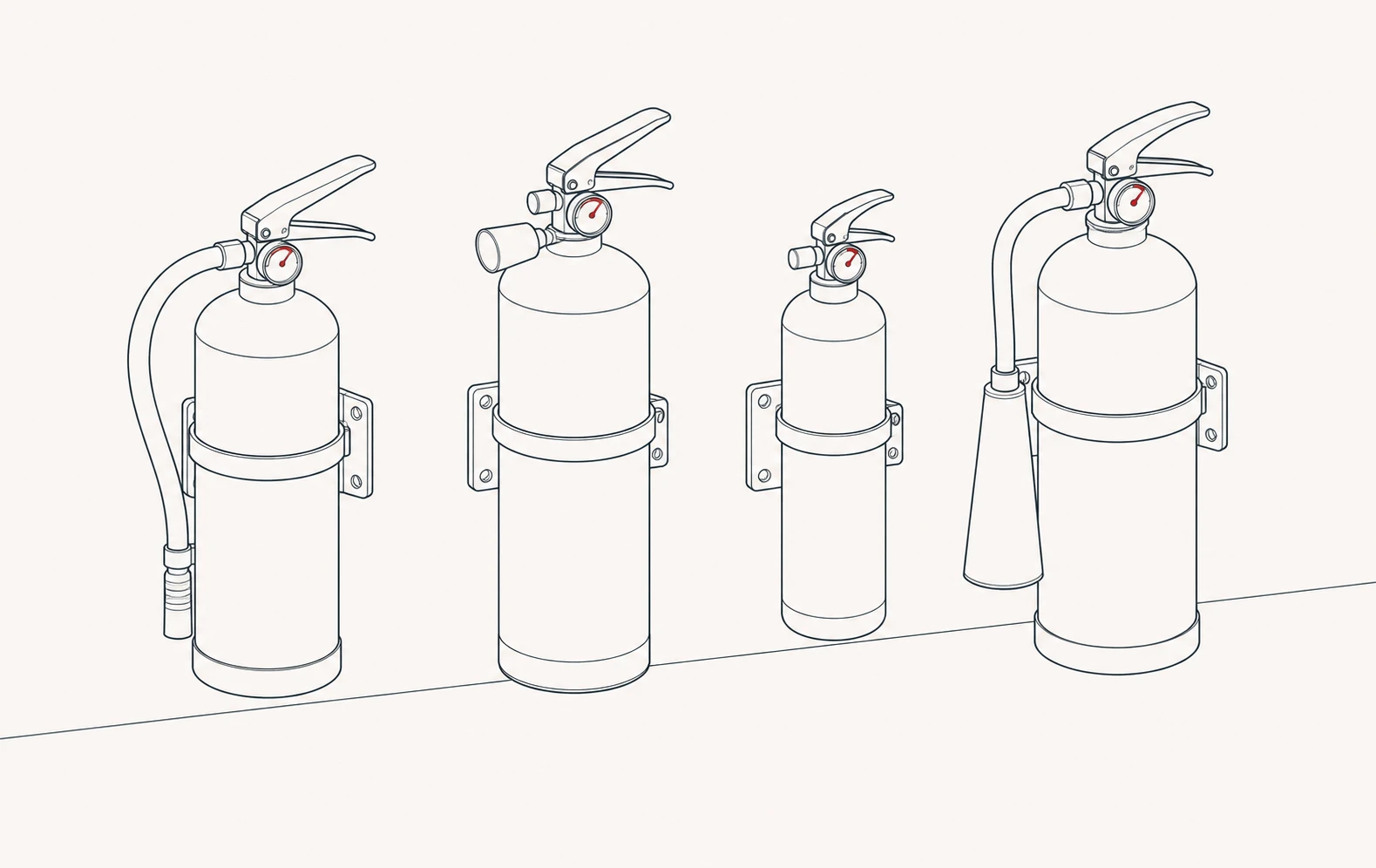
How often must fire extinguishers be serviced?
Monthly checks, an annual basic service, and the extended service at five years that is maintenance rather than the replacement you are often quoted.
Compliance
How often must fire extinguishers be serviced?
Monthly checks, an annual basic service, and the extended service at five years that is maintenance rather than the replacement you are often quoted.
Every guide states the standard or the instrument it rests on, and the date it was last verified against it. Where an edition has moved, the guide says so: BS 5839-1 changed in April 2025 and BS 5266-1 in October 2025, and both are covered above. None of this replaces a fire risk assessment of your own building.



The services these guides relate to
Every guide above connects to work we carry out across London.

Fire risk assessment
The legal starting point under the Fire Safety Order 2005, by a team that can also fix what it finds.
Fire risk assessment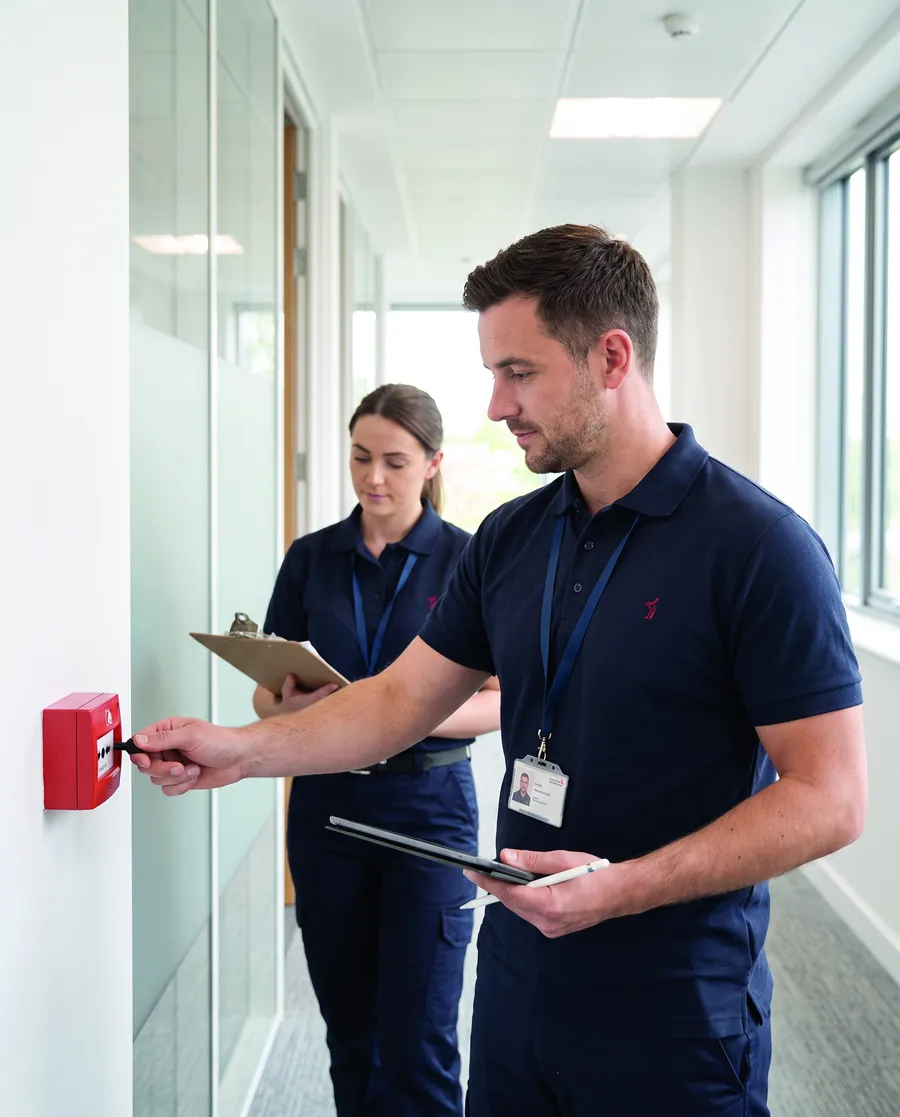
Maintenance & servicing
Six-monthly inspection by BAFE-certified technicians, with a certificate after every visit.
Maintenance & servicing
System takeover
Switch provider with no gap in cover. We audit your existing system free of charge before you commit.
Free takeover auditAbout these guides
Who writes these guides?
Our engineering team, drawing on the standards we work to every day: BS 5839-1 for fire alarms, BS 5266-1 for emergency lighting and BS 5306 for extinguishers. Each guide carries the date it was last verified.
Why do the guides not include prices?
Because an honest price needs a survey. Floor area, construction, cable routes, the category your risk assessment calls for and the state of any existing wiring all move the figure more than anything we could publish. We quote in writing after looking at the building, free of charge.
Can I rely on these guides for legal compliance?
They explain the law and the standards in plain English, which is a good starting point, but they are not a substitute for a fire risk assessment of your specific premises. Where a guide touches your building, get it assessed properly.
Where this comes from
- BS 5839-1, fire detection and alarm systems in non-domestic premisesBSI
- BS 5839-6, fire detection and alarm systems in domestic premisesBSI
- BS 5266-1, emergency lighting code of practiceBSI
- BS 5306-3, commissioning and maintenance of portable fire extinguishersBSI
- Fire Safety (England) Regulations 2022legislation.gov.uk
We name the standard rather than quoting it. British Standards are copyright of BSI and have to be bought from them; the links above are to the publisher so you can check any figure on this page against the source.
Free survey · No obligation
Have a question the guides do not cover?
Ask us directly. We call every enquiry back within 24 to 48 hours, and the survey is free.
- BAFE SP203-1 registered for fire alarms, Fike and C-TEC certified
- Written quote before any work starts
- Called back within 24 to 48 hours